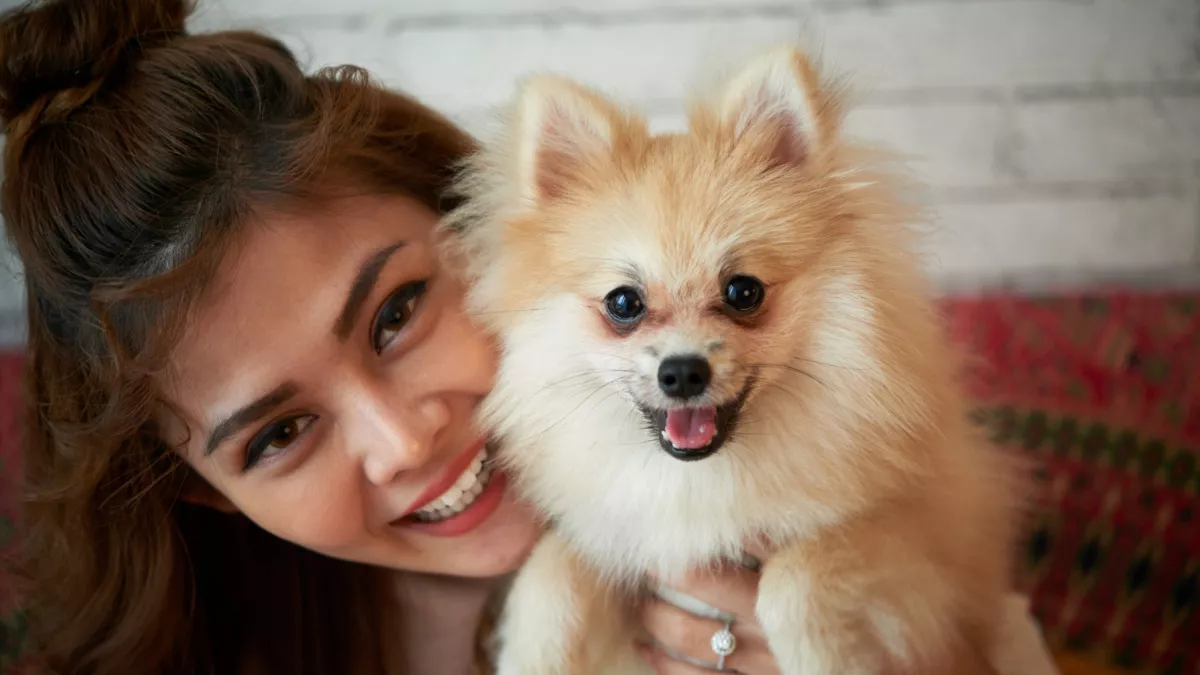
Living in a small apartment or compact home does not mean you have to miss out on the joy of having a dog. Many small dog breeds can adapt comfortably to limited living spaces while bringing plenty of affection, personality, and companionship into everyday life.
From tiny Chihuahuas to fluffy Pomeranians, these dogs come in different temperaments, coat types, and activity levels. Some love curling up beside their owners, while others prefer interactive games, short walks, and learning new tricks.
However, choosing a dog for a small home involves more than looking at its size. Barking, exercise requirements, grooming, and the amount of time a dog can comfortably spend alone also matter. Here are six small dog breeds worth considering if you want a loving companion for a smaller living space.
1. Chihuahua
The Chihuahua is one of the smallest recognized dog breeds, but its personality can be surprisingly bold. These little dogs are often devoted to their owners and enjoy spending time close to their favorite people.
Because of their compact size, Chihuahuas can be comfortable in apartments and smaller homes. They usually do not require a large yard, although daily walks, indoor play, and mental stimulation remain important.
Chihuahuas can also be alert and vocal. Early socialization and positive training can help them become more comfortable around visitors, unfamiliar sounds, and other dogs.
Their small bodies need careful handling, especially around young children. Owners should provide a safe resting area and avoid rough play that could cause accidental injuries.
Best for: Individuals, couples, and households seeking a tiny, loyal companion.
2. Pomeranian
With a fluffy double coat, expressive face, and lively personality, the Pomeranian is a popular choice for people who love small dogs. Despite its toy-sized appearance, this breed is often confident, curious, and eager to explore its surroundings.
Pomeranians can adapt well to apartment living when they receive regular walks, indoor play, and attention from their families. Their intelligence also makes them capable of learning household rules and simple tricks.
One consideration is barking. Pomeranians may alert their owners to noises in hallways or outside windows, so early training can be helpful in shared buildings.
Their thick coats require regular brushing to reduce tangles and maintain healthy fur. Owners should also provide shade, fresh water, and appropriate ventilation during warm weather.
Best for: People who want a playful, fluffy companion and can provide regular grooming and training.
3. Yorkshire Terrier
The Yorkshire Terrier, often called a Yorkie, is a small dog with a lively and adventurous nature. Originally developed as a working terrier, this breed may be tiny, but it often has plenty of confidence and curiosity.
Yorkies can live comfortably in smaller homes because they do not need a large indoor area. Daily walks, play sessions, and opportunities to explore safely can help keep them active and engaged.
Their long, silky coats are beautiful but require consistent care. Regular brushing and professional grooming may be necessary to prevent mats and keep the coat manageable.
Yorkshire Terriers can sometimes be vocal or wary of unfamiliar people. Gentle socialization and reward-based training can encourage calmer behavior and better manners.
Because of their small size, they also need protection from accidental falls and rough handling.
Best for: Owners who enjoy an energetic small dog and are prepared for regular coat maintenance.
4. Maltese
The Maltese is a small companion breed known for its affectionate nature and distinctive white coat. These dogs often enjoy human company and can be happy spending quiet time beside their owners after a walk or play session.
Their compact size makes them a practical option for many apartments. Although they are small, Maltese dogs still need daily activity, social interaction, and opportunities to explore their surroundings.
Grooming is an important consideration. A long coat needs frequent brushing to prevent tangles, while shorter pet trims can make everyday care easier.
Maltese dogs may develop separation-related distress if they are not gradually taught to spend time alone. They can also bark in response to unfamiliar sounds, so consistent training is useful.
Best for: People looking for an affectionate indoor companion who can provide regular grooming and companionship.
5. Shih Tzu
The Shih Tzu was developed primarily as a companion dog, and its affectionate personality often suits people living in smaller homes. These dogs are generally happy to relax indoors while still enjoying walks and playtime.
Shih Tzus do not need a large yard to enjoy a fulfilling life. Short walks, interactive toys, and time with their families can help meet their everyday needs.
Their long coats require frequent grooming, although a shorter trim can reduce the amount of maintenance. Owners should also pay attention to eye cleanliness and routine dental care.
An important consideration is their short muzzle. Shih Tzus can be more vulnerable to breathing difficulties and overheating than dogs with longer noses. In warm or humid weather, exercise should be carefully managed, and owners should watch for signs of heat stress.
Best for: Owners who want a companion-oriented dog and can manage grooming and warm-weather precautions.
6. Toy Poodle
Toy Poodles are small, intelligent dogs known for their trainability and adaptable personalities. They can be a good match for compact homes because their physical size makes it easier to provide indoor play and enrichment.
These dogs often enjoy learning tricks, solving simple food puzzles, and participating in short training sessions. Their intelligence means that mental stimulation is just as important as physical exercise.
Toy Poodles have a curly coat that typically needs regular brushing and professional grooming. Although they shed relatively little, no dog is completely hypoallergenic, and people with allergies may react differently to individual animals.
Toy Poodles can also be energetic and alert, so daily walks, playtime, and consistent training are essential. Their small size should not be mistaken for a need for constant carrying or inactivity.
Best for: Owners seeking a small, trainable dog who enjoys interaction and mental challenges.
How to Choose the Right Small Dog for Your Home
The best breed depends on your routine, not simply the size of your living room. Before bringing home a dog, consider these factors:
- Exercise: Small dogs still need walks, play, and mental stimulation. Choose a breed whose activity level matches your schedule.
- Noise: Some small breeds are naturally alert and may bark at hallway sounds or visitors. Training and socialization can help.
- Grooming: Long or curly coats often require frequent brushing and regular professional care.
- Time alone: Many companion breeds enjoy close human contact and may struggle if left alone for extended periods.
- Children and other pets: Consider the individual dog’s temperament and vulnerability to injury. Supervise interactions with young children.
- Climate: In hot weather, provide water, shade, ventilation, and exercise during cooler parts of the day. Flat-faced breeds may need extra precautions.
If possible, meet the dog before making a decision. A responsible breeder, rescue organization, or veterinarian can help you understand the breed’s needs and identify a suitable match.
Frequently Asked Questions
1. Which small dog breed is best for an apartment?
Chihuahuas, Pomeranians, Yorkshire Terriers, Maltese, Shih Tzus, and Toy Poodles can all adapt to apartment living. The best choice depends on barking, exercise, grooming, and temperament.
2. Do small dogs need daily walks?
Yes. Even small dogs benefit from regular walks, play, and opportunities to explore. The appropriate amount depends on the dog’s age, health, and energy level.
3. Which small dog requires less grooming?
Chihuahuas generally require less coat maintenance than long-haired breeds such as Maltese, Yorkshire Terriers, and Shih Tzus. Short-coated dogs still need routine brushing, nail trimming, and general care.
4. Are small dogs suitable for first-time owners?
Some can be excellent companions for beginners, but small size does not automatically mean easy care. New owners should be prepared for training, socialization, veterinary expenses, and daily attention.
5. Can small dogs live happily without a backyard?
Yes. Many small dogs can thrive in apartments or homes without a yard if they receive suitable outdoor exercise, indoor enrichment, and regular social interaction.
Conclusion
The Chihuahua, Pomeranian, Yorkshire Terrier, Maltese, Shih Tzu, and Toy Poodle are six small dog breeds that may fit comfortably into a compact home. Each offers a different combination of personality, energy, grooming needs, and companionship.
Before choosing one, look beyond appearance and consider the care you can realistically provide every day. A small dog still needs exercise, training, affection, and veterinary attention.
With the right match and a safe, enriching environment, even a small living space can become a wonderful home for a beloved canine companion.
Rosy is a passionate content writer specializing in pet care, animal behavior, nutrition, and pet wellness. She loves creating helpful, engaging, and easy-to-understand content that helps pet owners keep their furry companions happy, healthy, and safe.