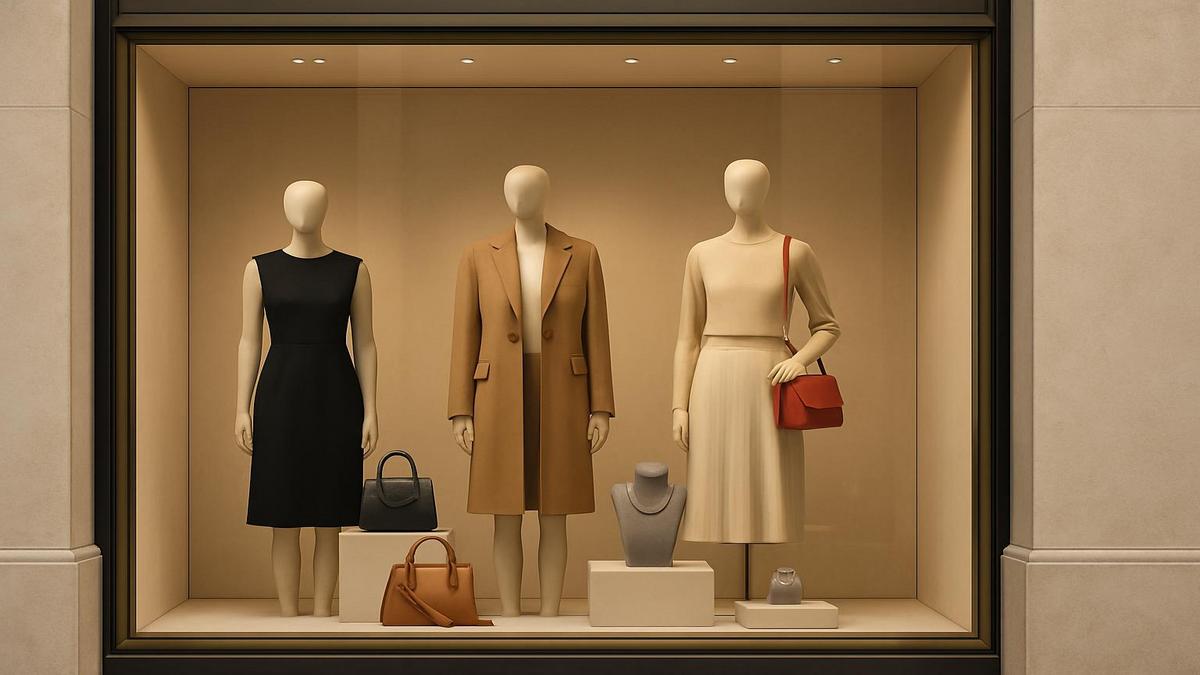
The French luxury group Kering reported essentially flat revenue of €3.345 billion for the third quarter of 2026, marking a 1% decline on a comparable basis relative to the same period last year. This performance fell in line with market expectations but underscored continuing challenges, notably at its flagship brand Gucci, which experienced a 6% comparable sales decline in the quarter.
Gucci Remains Central to Kering’s Fortunes but Faces Persistent Headwinds
Gucci, accounting for approximately 40% of Kering’s total third-quarter revenue and about half of group profits, posted revenues of €1.29 billion. This represented a 6% decrease on a comparable basis and a reported 4% decline. The brand’s retail sales fell 9%, negatively impacted by softer foot traffic, especially in Mainland China and Japan, while wholesale sales increased 45% from a low base but made up only 9% of Gucci’s revenue. North America was the strongest regional market for Gucci, showing resilience amid difficult conditions elsewhere [2][3][6][10][12].
Kering’s CEO Luca de Meo described the recovery of Gucci as “the group’s defining priority,” emphasizing that while the brand’s turnaround is ongoing, the quarter’s results reflected anticipated phasing and a softer macroeconomic environment. The company is actively refining Gucci’s product assortment, pricing architecture, and quality, focusing particularly on handbags, ready-to-wear, and footwear [2][9].
Broader Portfolio Shows Mixed but Some Positive Trends
Excluding Gucci, Kering’s Fashion & Leather Goods division saw retail sales grow by 2%, driven by continued strong performances at Saint Laurent, Bottega Veneta, and Brioni. Saint Laurent’s growth was led by North American and Western European markets, supported by high engagement from top clients. Bottega Veneta outperformed across key markets, expanding in ready-to-wear and leather goods, while Alexander McQueen and Balenciaga faced creative transitions and mixed category results [2][3][9][10].
Kering’s Jewelry and Eyewear segments continued their solid momentum, contributing positively to the group’s results. Jewelry revenues rose 11% on a comparable basis to €239 million, bolstered by iconic collections from Boucheron and Pomellato and strong growth particularly in Japan and South Korea. Eyewear revenues grew 4% to €373 million, supported by strong innovation and commercial execution across markets [2][3][9][10].
Strategic Measures and Market Reaction
Kering has been undertaking a multi-season transformation plan which includes reducing its retail footprint — with 105 net store closures completed during the first nine months of 2026, surpassing its initial target. The group now plans at least 125 net closures for the full year. Alongside efficiency measures, it continues heavy investments in marketing and client experience, especially to revive Gucci’s appeal.
However, investors reacted negatively to the Q3 results with Kering’s shares plummeting over 10% in Paris trading, and its American Depositary Receipts (ADRs) in the U.S. dropping more than 4%. Skepticism remains regarding the pace of recovery, particularly given the ongoing creative director changes at key houses including Saint Laurent and Alexander McQueen, and rumors about Balenciaga’s creative leadership. Analysts caution that operational efficiencies alone will not suffice without renewed consumer desire for the brands [1][4][5][6][10][12].
Creative Leadership and Brand Renewal Challenges
In October 2026, Saint Laurent’s creative director Anthony Vaccarello and Alexander McQueen’s Seán McGirr both departed, with replacements yet to be announced. The transitions are part of an effort to refresh and sharpen brand identities, though they create short-term uncertainty. CEO de Meo stressed efforts to “re-engineer” the creative process by supporting designers with stronger operational and marketing platforms, indicating that creative vision is critical but must be paired with effective execution to succeed in today’s complex market [4][5].
Outlook
Despite Gucci’s disappointing sales performance in Q3, Kering confirmed its objective to improve its recurring operating margin in 2026, supported by ongoing efficiency gains and sustained investments in brand desirability. The group is cautiously optimistic, highlighting progress in some Houses and gradual signs of recovery at Gucci. Longer-term success will depend on restoring momentum in key markets like China, stabilizing store traffic, and ensuring the creative and operational alignment of its brands [2][3][4][9].
As the luxury sector navigates broader macroeconomic pressures and shifting consumer behavior, Kering’s multi-brand portfolio and strategic initiatives will be closely watched by investors and industry observers alike for indications of a sustained turnaround.



Jessica is a passionate food content writer who loves exploring delicious recipes, culinary trends, and cooking tips. She creates engaging, easy-to-follow content that inspires readers to discover new flavors and enjoy the art of cooking.